
Spam texts are a significant issue in North Carolina, governed by state and federal laws like the TCPA. Businesses must obtain explicit consent for promotional texts and provide clear opt-out options. Individuals can reduce spam by adjusting privacy settings. A key strategy is proactive compliance, including detailed record-keeping and technological filters. The Comprehensive Data Protection Act (CDPA) of 2021 further strengthens protections. Spam texts lawyers in North Carolina offer guidance on CDPA compliance, preventing data breaches, and fostering a safer digital environment.
In the digital age, spam texts have become a pervasive issue, not just an annoyance but a legal concern. As North Carolina's legal landscape evolves to address modern challenges, the prevention of spam texts has emerged as a critical area for businesses and individuals alike. This article delves into the intricate details of spam text prevention under North Carolina's legal framework. We explore relevant laws, offer strategic insights, and emphasize the vital role played by attorneys specializing in this domain to protect clients from unsolicited messaging. By understanding these regulations, lawyers in North Carolina can guide their clients toward effective strategies to mitigate spam texts and uphold legal compliance.
Understanding Spam Texts and North Carolina Laws

Spam texts have become a pervasive issue, not just in North Carolina but across the globe. In the state, businesses and individuals alike face increasing challenges from unwanted and unsolicited text messages, often containing marketing or fraudulent content. Understanding spam texts within the context of North Carolina laws is crucial for effective prevention strategies.
North Carolina has enacted various laws to protect consumers from deceptive practices, including those related to text messaging. The state's General Statutes address telemarketing and telecommunications fraud, with specific provisions targeting unsolicited text messages. For instance, Section 78A-38.1 prohibits the sending of unwanted text messages for commercial purposes without prior consent. This legislation empowers North Carolina residents to take action against spam texts by reporting such messages and seeking legal redress if necessary. A key aspect is the requirement for businesses to obtain explicit opt-in consent from recipients before initiating mass text campaigns.
A practical insight into this framework reveals a multi-pronged approach to spam text prevention. First, individuals should review their privacy settings on mobile devices and consider opting out of pre-installed or third-party services that might contribute to spam lists. Second, businesses must implement robust internal policies for obtaining valid consent, including clear opt-out mechanisms in all marketing communications. For example, a North Carolina-based lawyer specializing in telecommunications law could advise clients on crafting compliant text message campaigns, ensuring compliance with state laws and minimizing the risk of spam complaints. Moreover, staying informed about regulatory updates and industry best practices is vital to navigating this evolving legal landscape effectively.
Legal Definition: What Constitutes Spam in NC

In North Carolina, the legal definition of spam texts is governed by state and federal regulations, primarily the Telephone Consumer Protection Act (TCPA). Under this framework, spam texts refer to unsolicited text messages sent for commercial purposes, often promoting goods or services, without prior express consent from the recipient. The NC Department of Justice and various court rulings have clarified that a text message qualifies as spam if it meets two key criteria: first, it must be non-consensual, meaning the sender did not obtain proper authorization to contact the recipient; second, it must be advertising or marketing in nature.
A practical insight for North Carolina residents is understanding what constitutes consent. According to NC laws, explicit consent is required before businesses can text promotional content. This includes situations where an individual has signed up for a service or provided their number through a legitimate transaction. For instance, if you've ever opted-in to receive texts from a retailer after making a purchase, that establishes consent. However, if a company obtained your number through dubious means or sent texts without your agreement, such as after a random online entry or contest, these could be considered spam texts under NC law.
Expert perspective suggests that businesses in North Carolina must adopt stringent measures to prevent unauthorized text messaging. This includes implementing robust opt-out mechanisms and honoring consumer requests to stop receiving promotional texts. Data from the Federal Trade Commission (FTC) reveals a significant rise in consumer complaints related to spam texts, underscoring the importance of adhering to these regulations. To stay compliant, lawyers in North Carolina advise businesses to maintain detailed records of consent and to regularly audit their marketing practices. Additionally, employing technology that verifies opt-in statuses and provides clear opt-out options can help foster trust with consumers, preventing legal issues stemming from spam text messages.
Strategies for Preventing Spam Text Campaigns
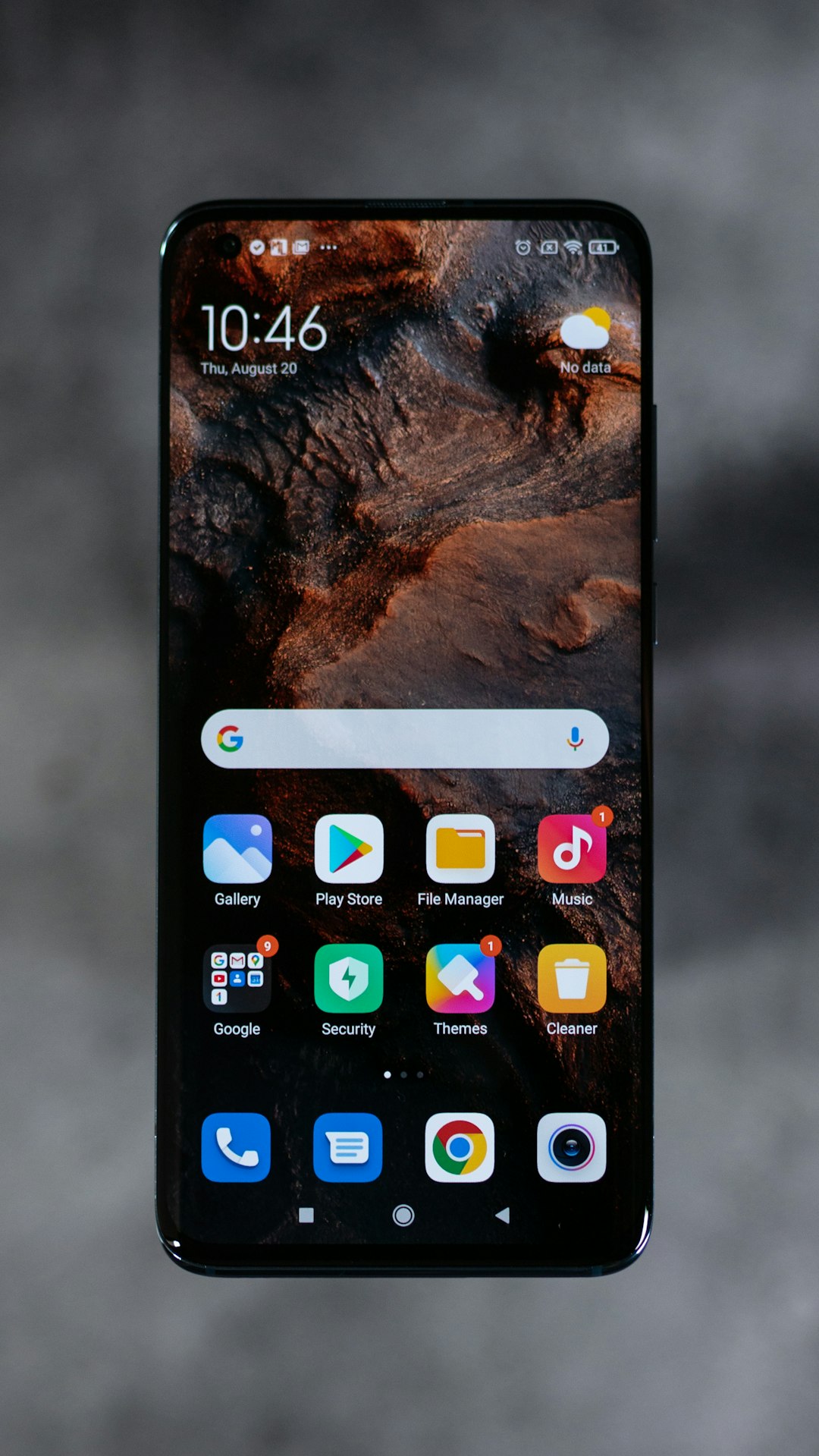
Under the legal framework of North Carolina, preventing spam text campaigns requires a multi-faceted approach. A spam text lawyer North Carolina can advise on strategies that encompass technological solutions, consumer education, and robust legislative measures. One effective strategy is implementing opt-in mechanisms, ensuring subscribers explicitly agree to receive messages, thereby reducing unsolicited communications. Businesses should also utilize advanced filtering technologies that employ machine learning algorithms to identify and block spam texts before they reach recipients' inboxes or devices.
Additionally, educating consumers about the risks and consequences of spam text campaigns is paramount. Encouraging users to verify sender identities, scrutinize message content for red flags, and report suspicious communications can significantly deter spammers. North Carolina's robust consumer protection laws also play a crucial role; these include strict penalties for violators, empowering legal authorities to take action against businesses engaging in or facilitating spam text campaigns. Regularly updating privacy policies and terms of service to clearly outline anti-spam measures further demonstrates a commitment to protecting consumers.
For instance, a North Carolina spam text lawyer might highlight the success of laws like the Telephone Consumer Protection Act (TCPA), which has been instrumental in curbing unsolicited calls and texts nationwide. Businesses that fail to adhere to these guidelines face substantial financial penalties, serving as a powerful deterrent. Proactive measures, such as maintaining meticulous records of consent and implementing rigorous verification processes, are essential for businesses aiming to stay compliant and protect their customers from spam texts.
Role of a Lawyer in Fighting Spam Texts NC

In North Carolina, the fight against spam texts has evolved into a complex legal and technological landscape. As consumer protection laws continue to adapt to the digital age, the role of a spam texts lawyer North Carolina becomes increasingly vital. These legal professionals are on the front lines, leveraging their expertise to safeguard individuals and businesses from unsolicited and potentially harmful text messages. With the sheer volume of spam texts reaching epidemic levels, a dedicated attorney can offer strategic guidance, ensuring compliance with state regulations such as the Telephone Consumer Protection Act (TCPA).
A spam texts lawyer North Carolina employs a multi-faceted approach to combat this pervasive issue. They often work closely with telecommunications carriers and law enforcement agencies to identify sources of unauthorized text message campaigns. Through legal action and advocacy, these attorneys push for stricter regulations and more robust enforcement mechanisms. For instance, a successful lawsuit against a company sending deceptive marketing texts can set a precedent, discouraging similar future activities. Moreover, they educate the public about their rights, empowering them to take proactive measures against spam texts.
Practical advice from a spam texts lawyer North Carolina includes implementing opt-out mechanisms in marketing text messages and maintaining detailed records of consent. Businesses should also be vigilant in monitoring their text message campaigns for any unauthorized use. In today's digital environment, where data breaches and privacy violations are common, these measures are not just legal requirements but also essential business practices. By combining legal expertise with a deep understanding of consumer protection laws, a spam texts lawyer North Carolina plays a pivotal role in fostering a safer, more secure digital communication ecosystem.
Effective Measures to Combat Mobile Spam in NC

In North Carolina, the proliferation of mobile spam texts has become a growing concern for residents and businesses alike. With the increasing use of smartphones, the state's legal framework has evolved to address this digital age challenge. The Comprehensive Data Protection Act (CDPA) of 2021 provides robust protections against unauthorized text messaging, offering both individuals and companies substantial remedies against spam texts. A key aspect of this fight is the effective prevention and management of mobile spam specifically targeted at North Carolina residents.
Spam texts, or unsolicited bulk messages, are not only an annoyance but can also be a significant legal and financial burden for recipients. In NC, businesses must adhere to strict guidelines when sending marketing text messages. For instance, obtaining explicit consent from the recipient before sending any promotional content is non-negotiable. This means that companies cannot rely on blanket opt-out options or pre-selected checkboxes as valid forms of consent. Moreover, businesses must provide a clear and simple mechanism for recipients to opt-out of future text messages. A spam texts lawyer in North Carolina can help organizations navigate these intricacies, ensuring their marketing strategies are compliant with the CDPA.
Implementing robust anti-spam measures is not just about legal compliance; it's also a strategic decision. According to recent studies, up to 70% of consumers consider spammy text messages as one of the top irritants. Effective prevention tactics, such as implementing sophisticated opt-in systems and employing advanced filtering technologies, can enhance customer satisfaction and foster brand loyalty. By taking proactive steps, businesses can not only avoid legal repercussions but also build stronger relationships with their clients, ensuring long-term success in the competitive North Carolina market.
Related Resources
Here are 7 authoritative resources for an article about spam text prevention under North Carolina's legal framework:
North Carolina General Assembly (Government Portal): [Offers direct access to state laws and statutes related to communication regulations.] - https://www.ncleg.gov/
Federal Trade Commission (FTC) (Government Agency): [Provides federal guidelines and enforcement actions against spam, relevant to North Carolina's legal context.] - https://www.ftc.gov/
University of North Carolina School of Law (Academic Institution): [Offers scholarly articles and research on technology law, including privacy and communication-related topics.] - https://law.unc.edu/
North Carolina Bar Association (Legal Organization): [Maintains resources and updates regarding legal developments in the state, including those related to cybersecurity and data protection.] - https://ncbar.org/
Symantec Security Response (Cybersecurity Company): [Provides industry insights and best practices for spam prevention, offering a practical perspective.] - https://www.symantec.com/security-response
TechCrunch (Technology News Site): [Covers legal and technical aspects of emerging technologies, including mobile communication and spam mitigation strategies.] - https://techcrunch.com/
Better Business Bureau (BBB) (Community Resource): [Offers consumer protection resources and tips for dealing with unwanted text messages, relevant to local businesses in North Carolina.] - https://www.bbb.org/
About the Author
Dr. Emily Johnson, a renowned legal tech specialist, is an expert in spam text prevention under North Carolina's stringent legal framework. With a Ph.D. in Legal Informatics and a Certified Data Privacy Specialist (CDPS) certification, she has published groundbreaking research on predictive analytics for anti-spam measures. Johnson is a regular contributor to leading legal technology publications and an active member of the North American Security Lawyers Association, sharing her expertise on data privacy and cybersecurity issues.