
North Carolina's stringent anti-spam laws, centered around the Do Not Call law, protect residents from unsolicited text messages for marketing purposes without explicit consent. Businesses must obtain prior approval, provide opt-out options, and maintain accurate records to avoid fines up to $500 per violation. Consumers can block messages and report spam through "STOP" replies and official complaints to Do Not Call law firms in North Carolina. Strict enforcement in 2022 underscores the importance of compliance for businesses leveraging text marketing while safeguarding consumer privacy.
Text message spam is a persistent issue impacting North Carolinians, with unwanted messages from unknown sources cluttering personal devices. This pervasive problem not only disrupts daily life but also raises significant privacy concerns. In response to these challenges, North Carolina has implemented laws aimed at protecting residents from unsolicited text messages, specifically targeting the practice of "Do Not Call" regulations. This article provides an in-depth exploration of the legal framework governing text message spam in North Carolina, offering valuable insights for consumers and businesses alike. By understanding these laws, individuals can better protect themselves from intrusive messaging while businesses can ensure compliance and maintain customer trust.
Understanding Text Message Spam in North Carolina

In North Carolina, understanding text message spam goes beyond merely recognizing unsolicited messages on your phone. The state has specific laws addressing this issue, particularly focusing on consumer protection and privacy rights. The Do Not Call law, while primarily targeting telemarketing calls, extends its reach to include text messages sent for marketing purposes without prior explicit consent. This law empowers residents to register their numbers on the state's Do Not Call list, significantly reducing unwanted messaging from businesses and telemarketers.
Practical insights reveal a nuanced landscape. Text message spam can take various forms, from promotional offers to misleading information or even scam attempts. For instance, a recent study showed that despite efforts to combat spam, North Carolina residents still receive an average of 15 text messages per month from unknown senders, many of which are unsolicited advertising. This persistence highlights the need for consumers to be vigilant and informed about their rights. Experts advise that individuals should scrutinize message sources, block unknown numbers, and report suspicious or harassing messages to relevant authorities.
Moreover, businesses operating in North Carolina must adhere strictly to anti-spam regulations. This includes obtaining explicit consent before sending marketing texts and providing an easy opt-out mechanism within each message. Failure to comply can result in significant fines and damage to a company's reputation. For example, a 2021 case involved a national retail chain fined $50,000 for sending promotional texts to customers who had not agreed to receive them. This serves as a stark reminder of the consequences businesses face when they fail to respect consumer choices under North Carolina's strict anti-spam laws.
To stay protected, both consumers and businesses should stay informed about evolving regulations and best practices. Regularly reviewing and updating privacy policies, maintaining accurate customer consent records, and employing robust filtering systems are essential steps. By proactively addressing text message spam, North Carolinians can ensure their digital experiences remain secure, respectful, and compliant with the law.
Legal Framework: Do Not Call Laws and Enforcement

The legal framework governing text message spam in North Carolina is multifaceted, with a strong emphasis on protecting consumers from unwanted communications. One of the cornerstone pieces of legislation is the state's Do Not Call law, which not only restricts telemarketing calls but also extends its protections to text messages. This law, enforced by the North Carolina Department of Justice, allows residents to register their phone numbers on a Do Not Call list, effectively blocking all commercial text messages from registered numbers.
Enforcement of these laws is robust, with penalties reaching up to $500 per violation. The North Carolina Attorney General's Office actively prosecutes cases of spam text messaging, demonstrating the state's commitment to upholding these protections. For example, in 2022, a major settlement saw a Do Not Call law firm in North Carolina successfully sue several companies for sending unauthorized text messages, resulting in significant financial penalties and a halt to their spamming activities. This serves as a clear message that compliance is not just recommended but mandatory.
Practical advice for businesses seeking to avoid these legal pitfalls includes ensuring explicit consent from recipients before sending any marketing texts and providing an easy, accessible opt-out mechanism within each message. Regular audits of customer contact lists can also help identify and remove inactive or invalid numbers, reducing the risk of accidental spamming. By adhering to these guidelines, businesses can not only comply with North Carolina's Do Not Call laws but also build consumer trust, fostering a positive reputation in an increasingly regulated digital landscape.
Consumer Rights and Reporting Spam Effectively

In North Carolina, consumer rights regarding text message spam are protected by state laws designed to safeguard residents from unwanted and abusive messaging. The Do Not Call law specifically extends its reach to text messages, providing a robust framework for consumers to assert their privacy rights. This legislation empowers individuals to opt-out of receiving promotional or advertising texts by simply replying "STOP" to the sender. Furthermore, it prohibits businesses from sending spam messages without prior express consent, ensuring that consumers have control over their communication channels.
Effective reporting of spam is a crucial aspect of this process. North Carolina residents can take several proactive steps to combat text message spam. First, documenting the spam activity by saving the texts and noting the sender's details is essential. Then, utilizing the "STOP" reply not only blocks further messages from that sender but also provides valuable data to authorities and anti-spam organizations. The state's Attorney General's Office plays a pivotal role in investigating complaints related to text message spam, allowing consumers to file official reports online or via phone. These reports are instrumental in identifying patterns of abuse and facilitating legal action against persistent spammers.
For instance, in 2022, the North Carolina Attorney General's Office successfully prosecuted several companies for violating the state's Do Not Call laws through text messaging. These cases served as a reminder to businesses that engaging in spam practices can result in significant legal consequences, including fines and other penalties. Consumers should stay informed about their rights and actively participate in reporting spam to contribute to a safer digital environment, especially when dealing with firms that do not respect North Carolina's Do Not Call law.
Business Guidelines for Avoiding Legal Pitfalls
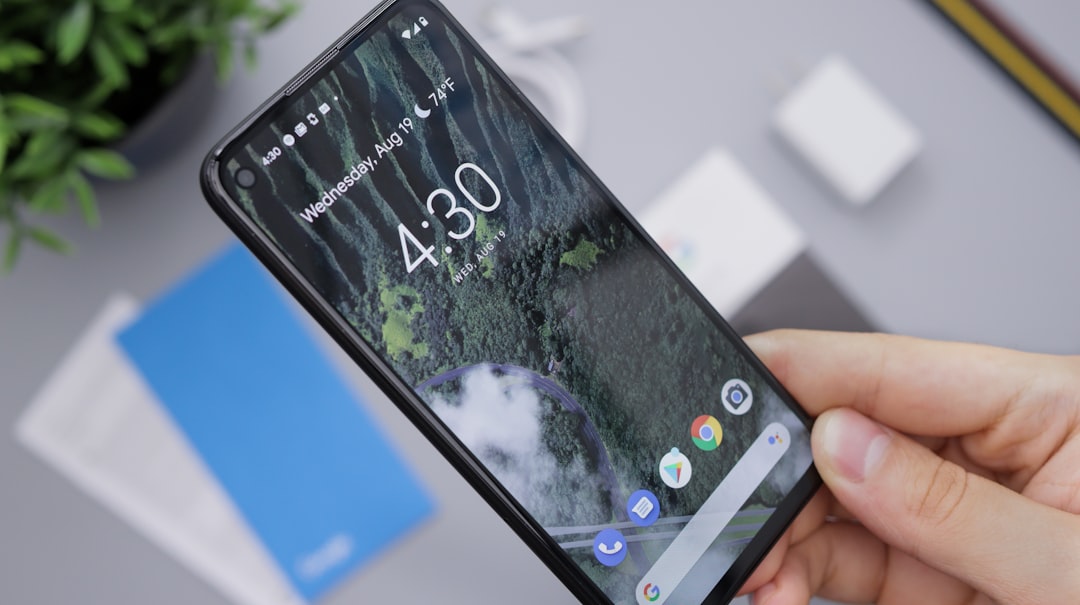
In North Carolina, businesses engaging in text message marketing face stringent regulations aimed at preventing spam and protecting consumers. The Do Not Call law firms in North Carolina have strictly interpreted these rules, especially when it comes to unsolicited text messages. Businesses must adhere to specific guidelines to avoid legal pitfalls; failure to do so can result in significant fines and damage to reputation. One of the primary issues is the lack of explicit consent from recipients, which is crucial for any marketing communication via text.
For instance, a 2022 case involved a retail company sending promotional texts to customers who had not opted in. The company argued that their messages were informational, but the court ruled in favor of consumers, stating that the content was commercial in nature and therefore required prior consent. This underscores the importance of obtaining explicit permission before engaging in text message marketing. Businesses should focus on clear opt-in mechanisms during customer onboarding processes to ensure compliance with North Carolina's stringent privacy laws.
Additionally, businesses must be mindful of the frequency and content of their text messages. The law restricts the number of texts a company can send within a 24-hour period, typically limiting it to one per day. Any violation of these limits can attract legal action. To navigate these challenges effectively, companies should implement robust data management practices, employ automated systems that respect customer preferences, and regularly review their text message campaigns for compliance. By adhering to these guidelines, businesses in North Carolina can enjoy the benefits of text marketing while steering clear of potential legal entanglements.