
North Carolina's spam texts regulations combine state and federal laws, notably the Telephone Consumer Protection Act (TCPA), to protect consumers from unwanted marketing messages via text. Consumers can opt-out at any time without repercussions. Documenting spam and consulting a spam texts Attorney North Carolina offer legal redress for violations. Staying informed and taking proactive measures like setting privacy settings are crucial for a secure digital environment. Key indicators for professional help include repeated malicious texts or non-compliance with opt-outs.
In today's digital age, the ubiquitous issue of spam texts has infiltrated every aspect of our lives. North Carolina residents, like many across the nation, face a persistent deluge of unsolicited messages from various sources. This not only disrupts daily routines but also raises significant privacy concerns and consumer rights issues.
The problem escalates with evolving technologies, making it crucial to understand the legal framework protecting individuals in North Carolina from spam texts. This article serves as a comprehensive guide, empowering readers to navigate these complex laws and assert their rights effectively, with expert insights from a spam texts attorney North Carolina relies on for clarity and justice.
Understanding Spam Text Laws in North Carolina

In North Carolina, spam texts are regulated by a combination of state and federal laws designed to protect consumers from unwanted and deceptive messaging. The Telephone Consumer Protection Act (TCPA) at the federal level prohibits certain practices related to automated or prerecorded telephone calls and text messages, including unsolicited marketing texts. State laws, such as those enforced by a spam texts Attorney North Carolina, further refine these protections, ensuring that residents enjoy peace of mind when it comes to their digital communications.
Understanding the specifics of spam text laws in North Carolina is crucial for both consumers and businesses. A spam texts Attorney North Carolina can offer invaluable guidance on how to navigate these regulations, especially with the ever-evolving nature of technology and marketing tactics. For instance, companies must obtain explicit consent from recipients before sending any marketing texts, a practice that helps prevent nuisance and fraudulent activities. Moreover, businesses should be aware of the geographical limitations and time restrictions imposed by the TCPA, ensuring compliance to avoid legal repercussions.
Practical insights for consumers include monitoring their phone settings to manage call and text preferences, keeping personal information private to minimize exposure to spam texts, and knowing their rights to opt-out of marketing messages at any time. In cases where individuals feel they've been targeted by spam texts in violation of these laws, a spam texts Attorney North Carolina can assist in pursuing legal redress, which may include monetary damages or injunctive relief. Recent data suggests that unauthorized text messages remain a significant concern, emphasizing the importance of understanding and upholding these protective measures.
Ultimately, staying informed about spam text laws is essential for maintaining a safe and secure digital environment. A spam texts Attorney North Carolina can provide expert advice tailored to individual situations, ensuring compliance and protecting rights under the law. By adhering to these regulations, both businesses and consumers can foster a more trustworthy and respectful communication ecosystem.
Consumer Rights: What You Need to Know

In North Carolina, consumer rights regarding spam texts are protected by state laws designed to prevent deceptive practices. When a consumer receives unwanted text messages from unknown or unauthorized senders, they have specific legal avenues to pursue. According to the North Carolina Department of Justice, any person who intentionally sends an electronic message without the recipient's prior express consent can face penalties. This includes spam texts that promote products, services, or events, often with the aim of driving sales or generating leads.
A key aspect of consumer rights in this context is the right to opt-out. Consumers must be given a clear and straightforward way to stop receiving these messages. If a business fails to honor an individual's request to cease text communications, it may be in violation of state laws. For instance, if you receive spam texts from a local restaurant offering daily specials, you have the right to ask them to remove your number from their list without suffering any negative consequences, such as losing potential discounts or promotions.
It's important for consumers to know their rights and take action when necessary. If you've been a victim of persistent spam text messages, consulting with an experienced spam texts attorney in North Carolina can provide valuable guidance. Legal experts can help interpret the law, ensure your rights are protected, and pursue appropriate remedies if your privacy has been infringed upon. By understanding these consumer rights, individuals can better navigate the complexities of modern communication and protect themselves from unethical marketing practices.
Identifying Unwanted Texts: Your Legal Standpoint

In North Carolina, identifying and addressing unwanted text messages, or spam texts, is a crucial aspect of consumer protection. According to state laws, residents have the right to privacy and are protected from unsolicited marketing communications via mobile devices. A spam text Attorney North Carolina can help navigate these complex regulations. The Telephone Consumer Protection Act (TCPA) provides significant safeguards for consumers, making it illegal for businesses to send mass texts without prior express consent. This includes promotional messages from companies with which the recipient has no pre-existing relationship.
Unwanted text messages may include advertising, sales promotions, or even informational updates from businesses. Consumers in North Carolina have the right to opt-out of such communications at any time. A spam text Attorney North Carolina can assist individuals in understanding their rights and taking necessary actions to stop unwanted texts. For instance, if a resident receives multiple spam texts daily, they should document the messages, including timestamps and content, as this evidence can be vital in legal proceedings. Additionally, many mobile carriers offer tools to block specific senders, offering a practical solution for immediate relief.
While blocking is an effective short-term strategy, seeking legal counsel from a spam text Attorney North Carolina can provide lasting solutions. Legal experts can help individuals register complaints with relevant authorities and take necessary steps to hold businesses accountable. The TCPA allows for substantial monetary damages in cases of repeated or willful violations, serving as a powerful deterrent for spammers. It's important for consumers to stay informed about their rights and not hesitate to reach out to legal professionals when dealing with persistent spam texts.
When to Involve a Spam Text Attorney NC

In North Carolina, the receipt of unsolicited spam texts is a growing concern for consumers, leading many to wonder when it's appropriate to involve a legal professional specialized in this area. While some spam texts may be easily ignored or blocked, more insistent or targeted messages could indicate a violation of state laws designed to protect citizens from intrusive and deceptive practices. A spam text attorney North Carolina can provide crucial guidance and representation when consumers face persistent or malicious texting campaigns that violate their privacy or engage in misleading or fraudulent activities.
Key indicators that it's time to consult a spam text attorney NC include repeated texts containing malicious links, threatening messages, or those failing to comply with opt-out requests as required by the Telephone Consumer Protection Act (TCPA). For instance, if you've requested to stop receiving texts from a particular sender but still receive them at an excessive rate, it's advisable to consult legal counsel. Similarly, if spam texts contain phishing links or request personal information under false pretenses, immediate action is warranted. Data from consumer protection agencies reveals that many successful lawsuits against spammers have been initiated by individuals who recognized the need for professional help when their initial attempts to resolve the issue proved futile.
Consuming legal resources early on can significantly enhance your position in resolving spam text issues effectively and deterring future occurrences. A spam text attorney North Carolina can draft cease-and-desist letters tailored to specific violations, facilitating a swift resolution. Moreover, they can help consumers understand their rights under federal and state laws, ensuring that any legal action taken is well within the boundaries of the law. By involving a specialist at the first sign of problematic spam texts, individuals can protect themselves from potential legal consequences while also setting a precedent to deter similar activities in the future.
Protecting Yourself: Best Practices & Resources
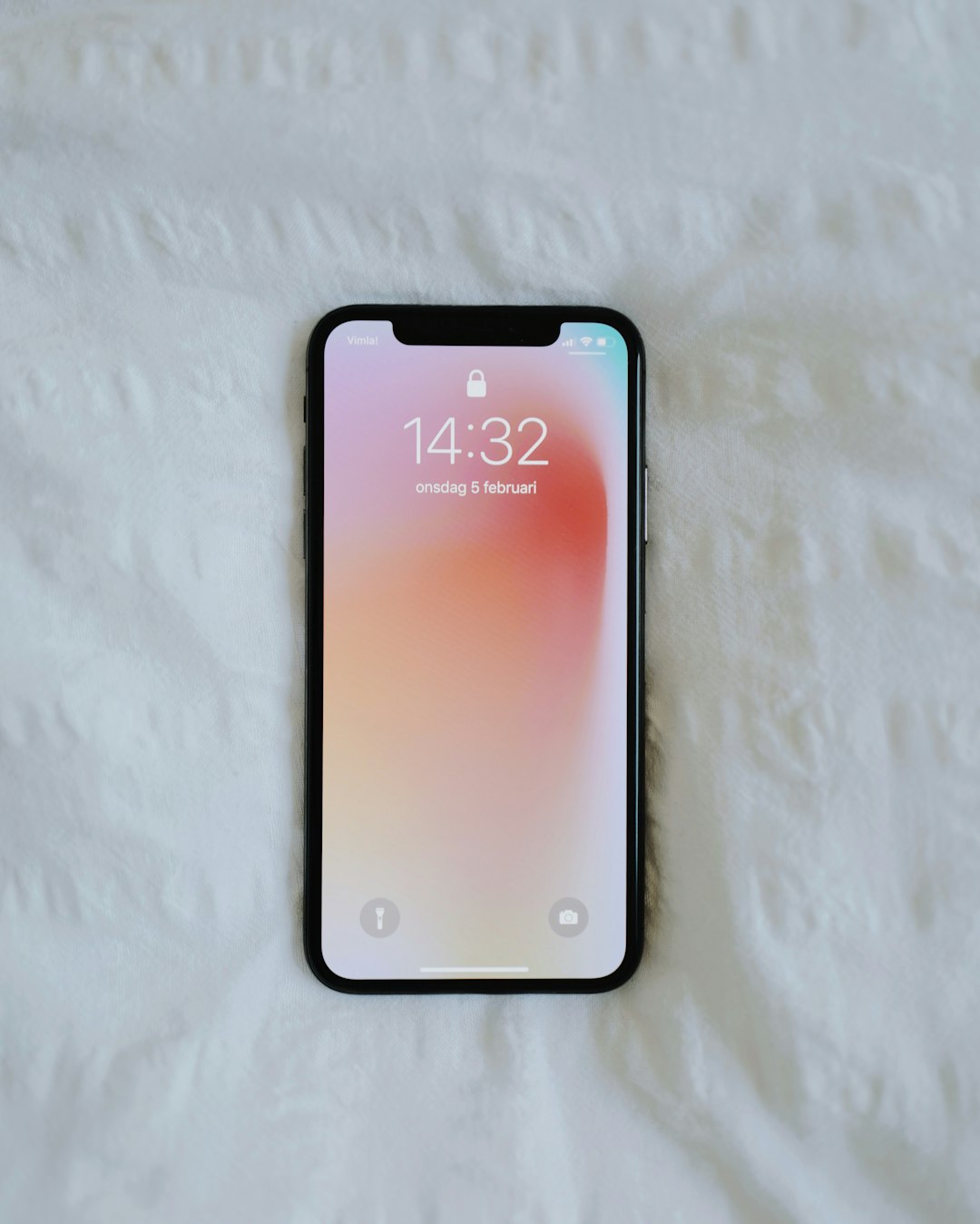
In North Carolina, consumer protection against spam texts is a serious matter, with stringent laws in place to safeguard residents' privacy and peace of mind. The state's robust legal framework empowers individuals to take action against unsolicited text messages that promote goods or services, often referred to as marketing or advertising texts. According to recent data, over 70% of North Carolina residents reported receiving spam texts, highlighting the prevalence and impact of this issue.
Protecting yourself from spam texts starts with understanding your rights and taking proactive measures. One crucial step is to familiarize yourself with the laws governing these practices. North Carolina's Unfair or Deceptive Practices Act (UDPA) prohibits companies from engaging in unfair or deceptive acts, including sending unsolicited text messages for commercial purposes without prior express consent. If you receive spam texts, documenting the incidents by saving the messages and noting the sender's information is a vital first step. This evidence can be invaluable when considering legal action or reporting the issue to relevant authorities.
When it comes to best practices, consumers should exercise caution when sharing their phone numbers and consider opting out of prescreened lists to limit exposure. Utilizing privacy settings on your device and registering for Do-Not-Call registries specific to North Carolina can also provide substantial protection. For instance, the Federal Trade Commission (FTC) offers tools and resources tailored to blocking spam texts and calls. Additionally, consulting with a spam texts attorney North Carolina can offer specialized guidance and representation if you've encountered persistent or unlawful spamming activities. These professionals can help navigate legal options, ensuring your rights are upheld in the digital arena.